
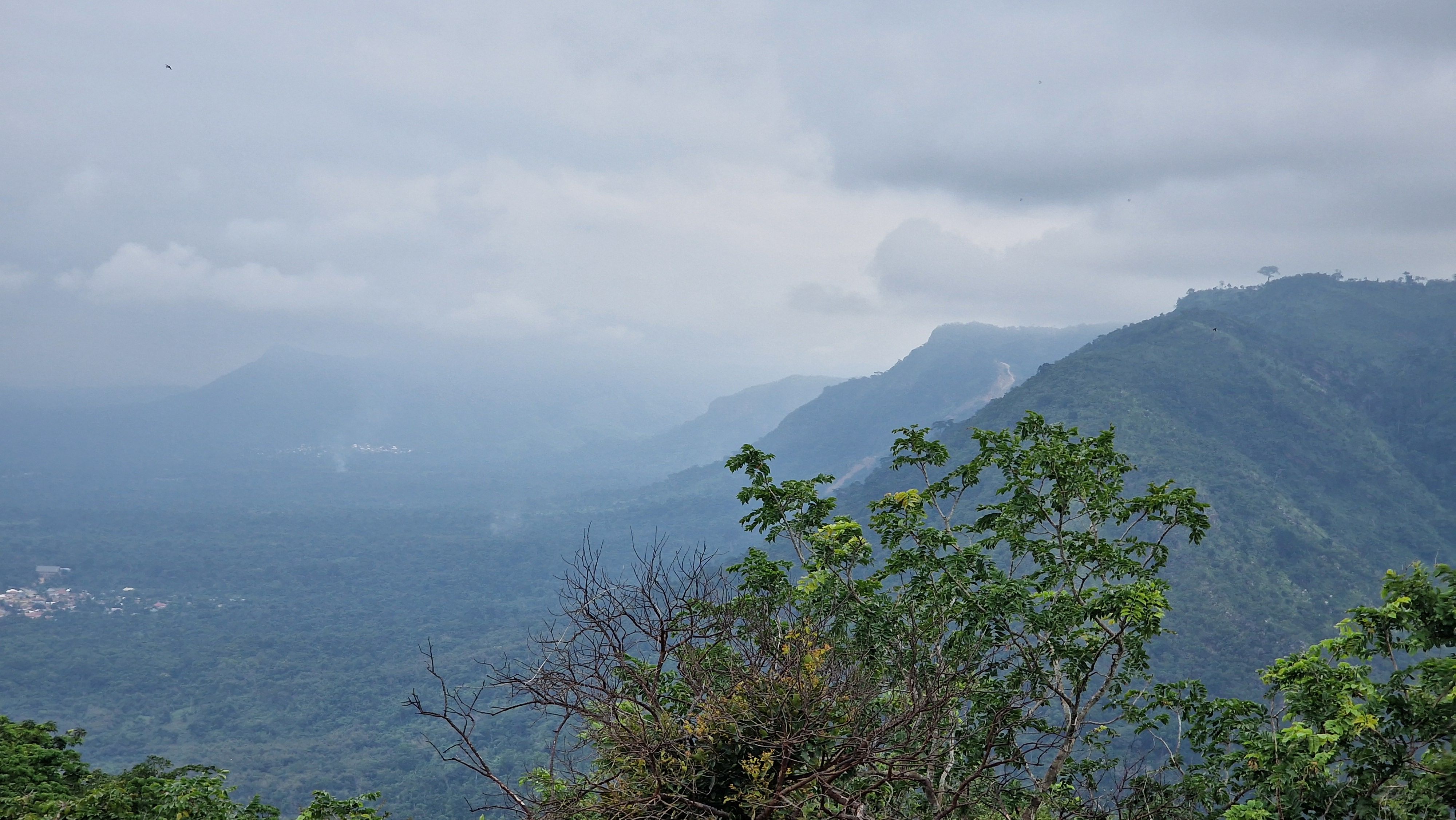
This was our version of Ghana
Ghana is too large and too varied to understand through one short road trip. We did not try.
Our journey began and repeatedly returned to Accra, but the city was only one part of the story. From there, we travelled west towards the historic castles of the coast and later northeast towards the hills, waterfalls and villages of the Volta Region.
I was travelling with my 13-year-old daughter, Lauren. Like most real road trips, ours included the places we had planned to see and the experiences we could never have predicted.
We climbed mountains, crossed rope bridges above a rainforest and descended hundreds of steps towards waterfalls. We stayed in a room without an outside window. We were stopped by plainclothes police officers while filming in a market. We also entered the dungeons of Ghana’s coastal castles, where the history of the transatlantic slave trade still feels present in the stone.
Ghana was beautiful, but rarely in a polished or effortless way. The journey was layered, demanding and sometimes uncomfortable. That was exactly why it remained with us.
From Accra to Ghana’s historic coast
We left Accra early in the morning and travelled west. The traffic gradually loosened as the capital disappeared behind us. Our destination was the Central Region, where some of Ghana’s most important historic sites stand beside the Atlantic Ocean.
Cape Coast Castle was our first stop. From outside, the white building almost appeared serene. The walls faced the water, and in another setting the courtyard and ocean view might have felt elegant.
The atmosphere changed as soon as we entered the dungeons. They were dark, enclosed and heavy with history. There are places where information remains abstract until you stand inside the physical space where events occurred. Cape Coast Castle was one of them. The history of slavery was no longer a sequence of dates or numbers. It was present in the rooms.
You did not simply hear what had happened there. You felt its weight.
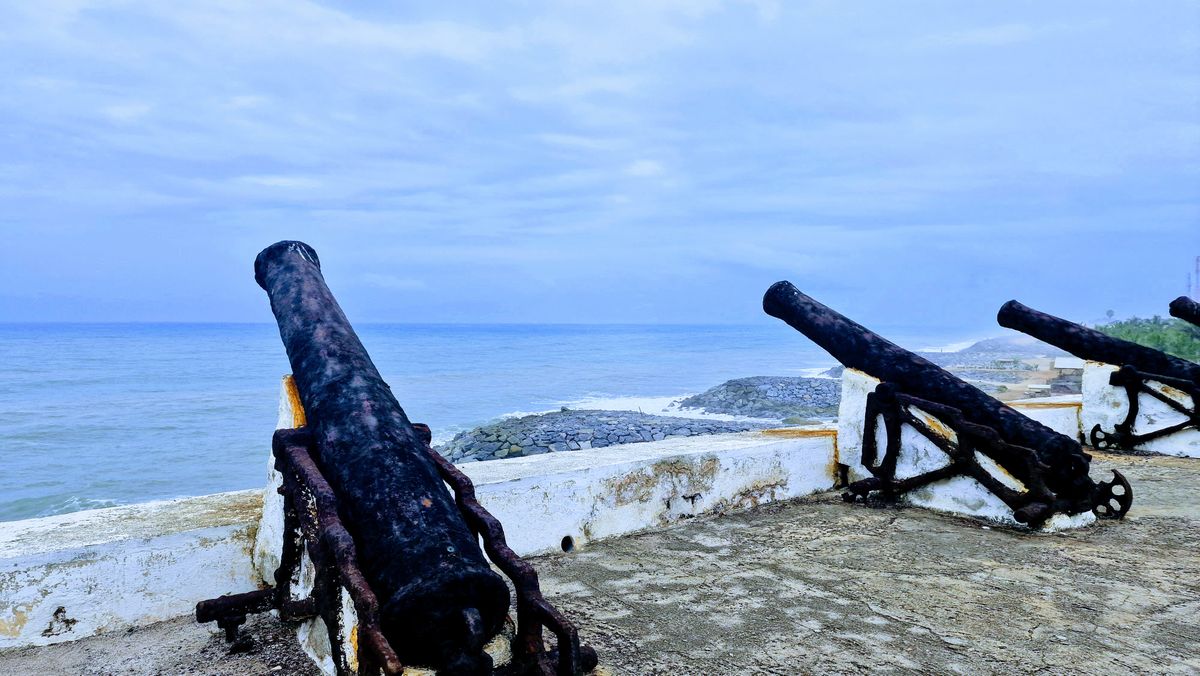
Cape Coast and Elmina Castle
After Cape Coast, we continued to Elmina. The surroundings looked different — fishing boats filled the harbour, orange rooftops covered the town and seabirds moved above the water.
Inside Elmina Castle, however, we encountered the same fundamental history of captivity, violence and forced departure. Much of what the guide explained echoed what we had heard at Cape Coast. Hearing it for a second time did not lessen its impact. It made the scale clearer.
These were not isolated buildings with separate stories. They formed part of a much larger system that connected the coast of West Africa to centuries of exploitation across the Atlantic.
Outside, the harbour remained active. People worked, boats moved and daily life continued beside a place associated with one of humanity’s darkest chapters. The contrast was difficult to reconcile. That discomfort was part of the experience.
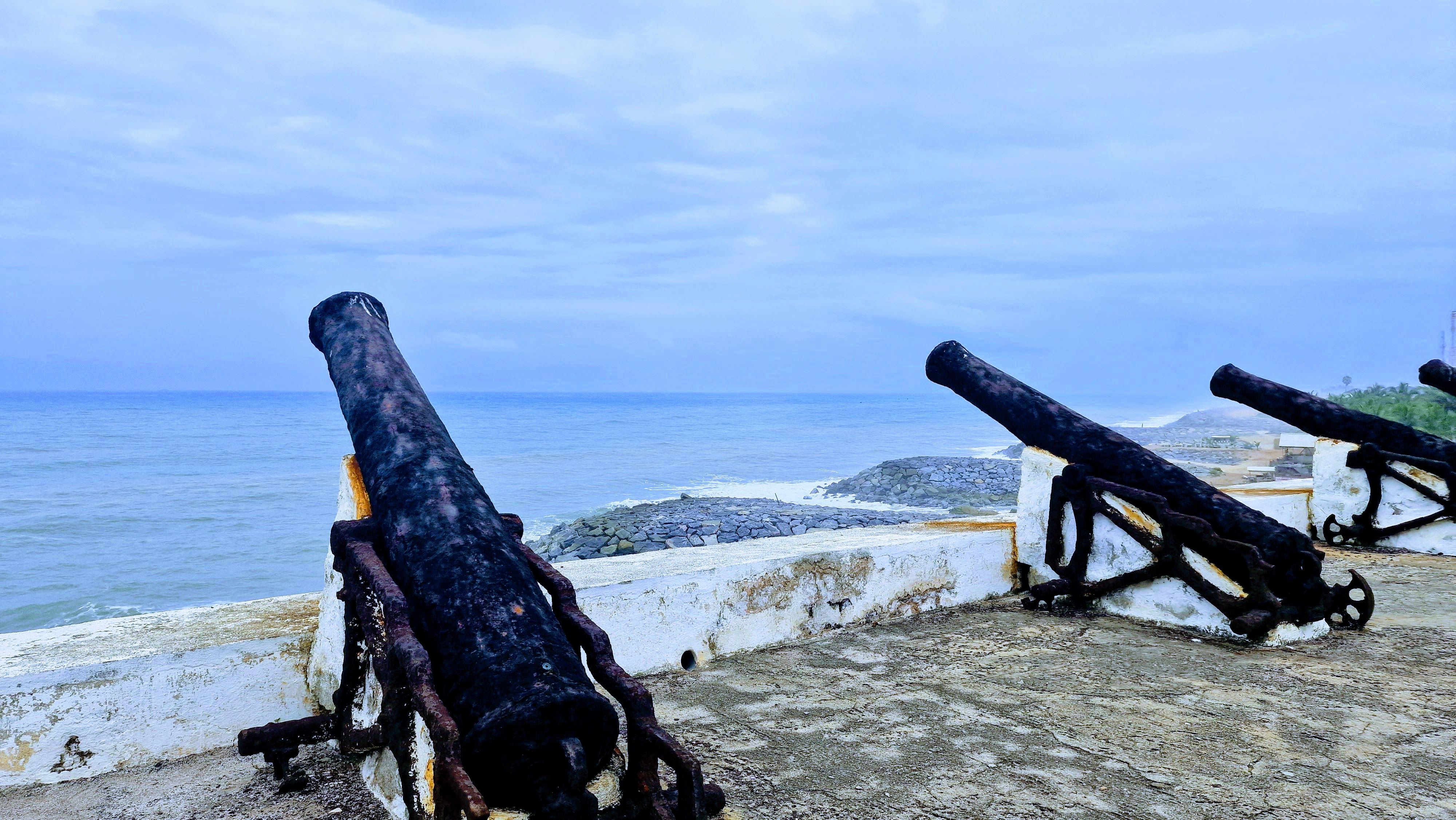
Ghana's Historic Coast: Cape Coast, Elmina and Kakum
Read the extended story of Cape Coast Castle, Elmina Castle and the history that connects them.
Above the rainforest at Kakum
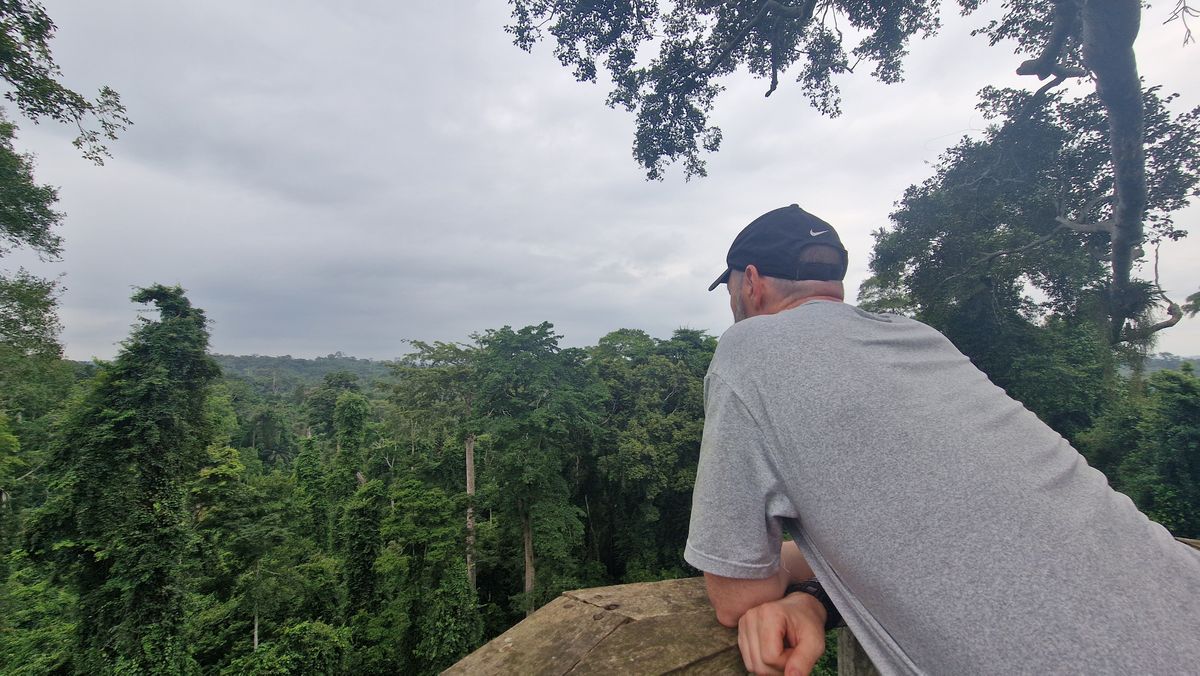
After the dark interiors of the castles, Kakum National Park changed the rhythm completely. The park is known for its narrow suspension bridges above the rainforest.
From the ground, the walkway looked adventurous but manageable. Then I stepped onto the first bridge. It moved beneath my feet, and most of my confidence disappeared.
Lauren crossed as though she were walking through a playground. She moved ahead easily while I held tightly to the ropes and tried to look composed.
The view made the discomfort worthwhile. The rainforest stretched in every direction, a green surface below us. The noise of the road and the weight of the castles felt temporarily distant.
Looking back, we should have stayed overnight near Cape Coast or Elmina. That would have allowed more time to absorb the castles, visit Kakum without rushing, and explore some of the places farther west that we missed — Nzulezu, quieter forts, remote beaches and other forest areas remained outside our route.
Entering the Volta Region
After the coast, we turned northeast. The landscape became greener, steeper and quieter. The roads began to wind through hills, and the pressure of Accra gradually faded. It felt as though Ghana had lowered the volume.
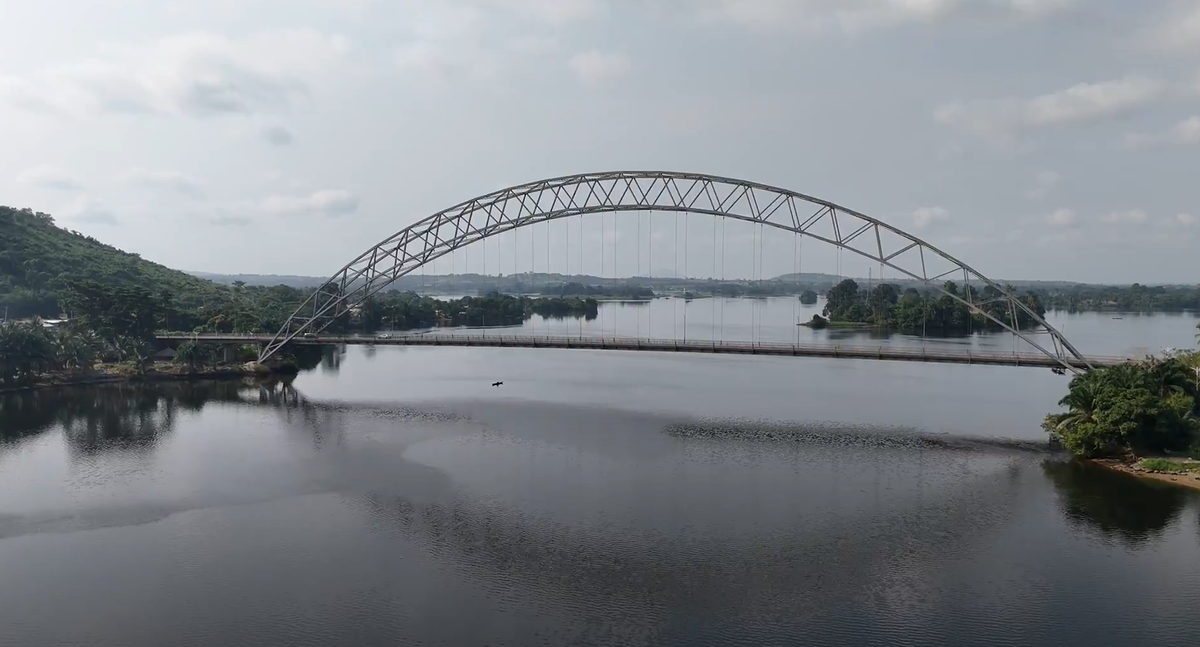
We stopped for breakfast near the Adomi Bridge, looking across the Volta River before continuing into the mountains. The bridge marked a transition in the journey. The coast had confronted us with history. The Volta Region would test us physically.
Mount Afadjato and Wli Waterfalls
Mount Afadjato began deceptively. For a short time, the path moved gently through thick vegetation. Then it became steep. Tree roots turned into handholds. Rocks became stairs.
Lauren continued upward with the energy of someone on a school trip. I followed behind, attempting not to make the struggling-father dynamic too obvious.
Eventually, we reached the summit. The landscape was spectacular. The summit was crowded — many other visitors had chosen the same weekend moment, and our quiet mountain experience became a shared national outing.
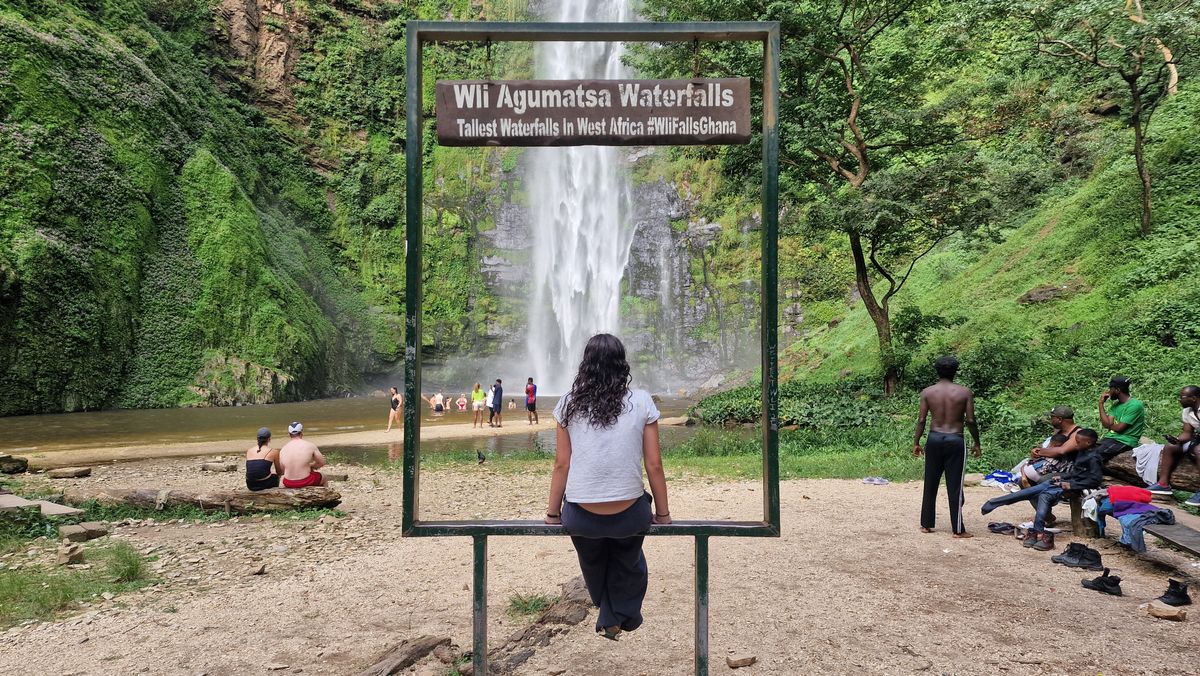
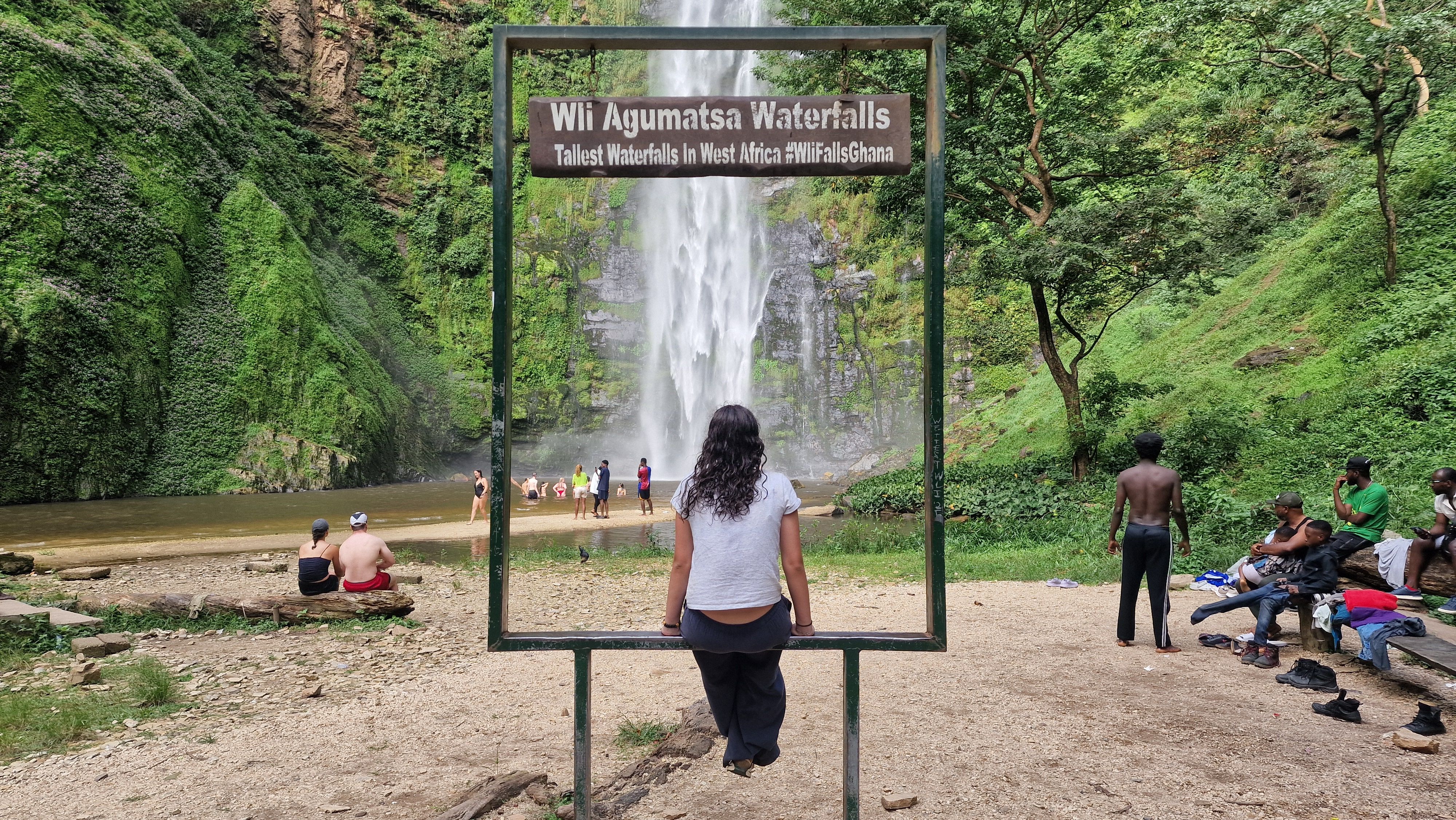
From Mount Afadjato, we travelled to Wli Waterfalls. After the climb, standing in cool water beneath a waterfall felt like the correct conclusion to the day. The surrounding rainforest was misty and shaded. For a while, the fatigue disappeared.
Mount Gemi, Ote Falls and a bad hotel
Our accommodation that evening was called Abraerica Hospitalities. The name suggested a level of comfort the room did not provide — no dependable Wi-Fi, no outside window and no hot shower.
The following morning, still sore, we climbed Mount Gemi near Amedzofe. The hike was shorter than Mount Afadjato, but the experience was better. Without a crowd, the view felt like something we had earned.
Then came Ote Falls. Reaching it required 259 steps. We know because we counted them. The knowledge that we would later have to climb back up made the staircase feel longer. The waterfall justified the effort.
By then, the pattern of our Volta journey had become clear: climb, sweat, reach something beautiful and discover another staircase.
Mountains, Waterfalls and Caves in Ghana's Volta Region
Read the extended story of Mount Afadjato, Wli Waterfalls, Mount Gemi, Ote Falls and the route we should have planned differently.
Why Shai Hills surprised us
We initially thought our Volta exploration had ended. Two days later, we returned east towards Shai Hills.
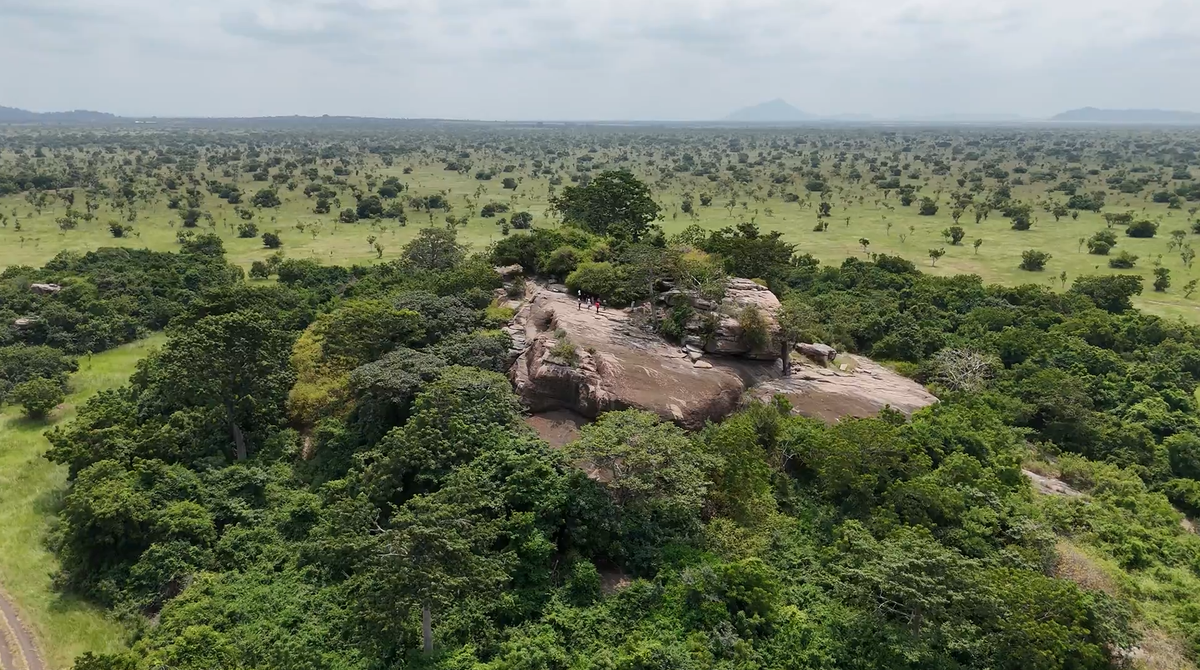
The visit did not begin strongly — we walked past ostriches and zebras towards a small museum, and for a while the stop felt disappointing. Then we drove farther into the reserve. The landscape became rockier. We climbed large formations and entered caves connected to the history of the original Shai communities, once used to prepare young girls for adulthood.
The experience changed completely once the history entered the story. Shai Hills was no longer simply a wildlife stop. It became one of the most thought-provoking places on the journey.
We ended the day with a boat trip on Lake Volta. After mountains, steps and caves, the slow movement of the water asked almost nothing from us.
Returning to Accra
Every return to Accra felt like turning the volume back up. The city did not wait politely for us to adjust. It reached us through horns, heat, roadside vendors and traffic that appeared not to move while somehow continuing to flow.
Our hotel was called Cocktails and Dreams. Our first room stood beside a water pump that seemed determined to supply the entire city — it ran day and night. We filmed it, heard it, then changed rooms. The Wi-Fi technically existed but remained slow and unreliable. The pool was good, and the staff were kind and helpful.
Makola Market
Makola Market was one of the most intense places we visited — less a market than a living system of vendors, shoppers, goods, alleys and sound.
We were filming with a 360-degree camera when two plainclothes police officers stopped us. One acted aggressively and grabbed the camera. A tense discussion followed about permission to film. Eventually, we paid for what was described as a permit, and we were allowed to continue.
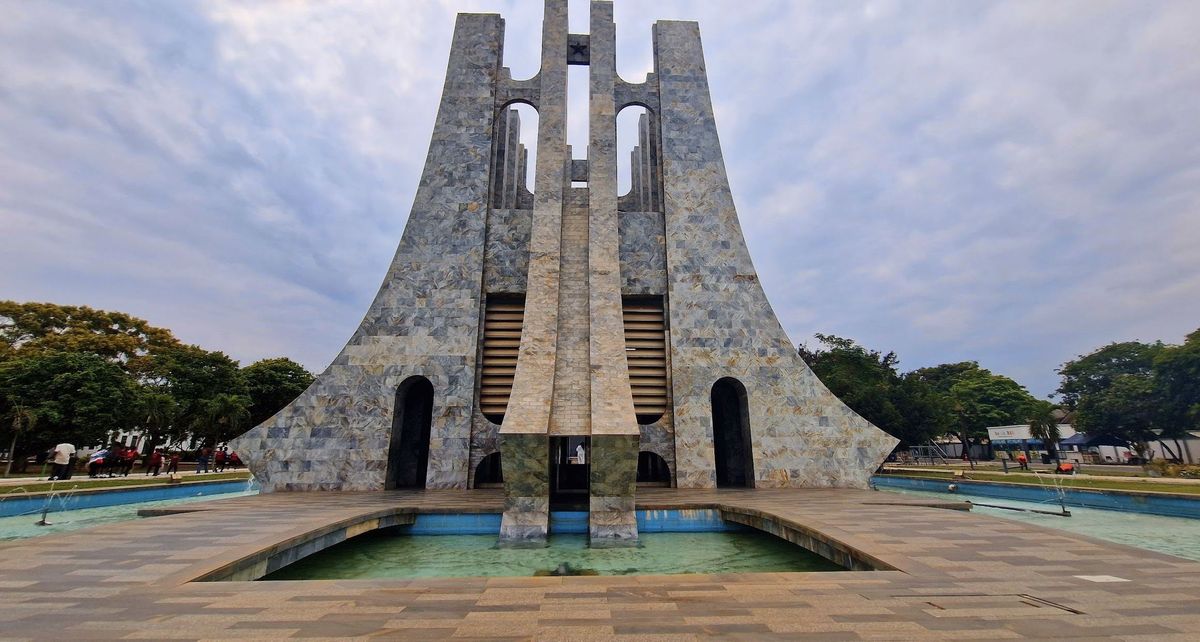
After Makola, we needed somewhere quieter. The National Museum of Ghana and the Kwame Nkrumah Memorial helped connect the journey’s different historical layers — the castles, colonialism, independence and contemporary Accra were not isolated subjects. At Independence Square, we climbed the Black Star Gate and looked across the enormous ceremonial space.
Accra never settled into one identity. It was loud and calm, wealthy and poor, modern and visibly struggling. It did not always charm us. It stayed with us.
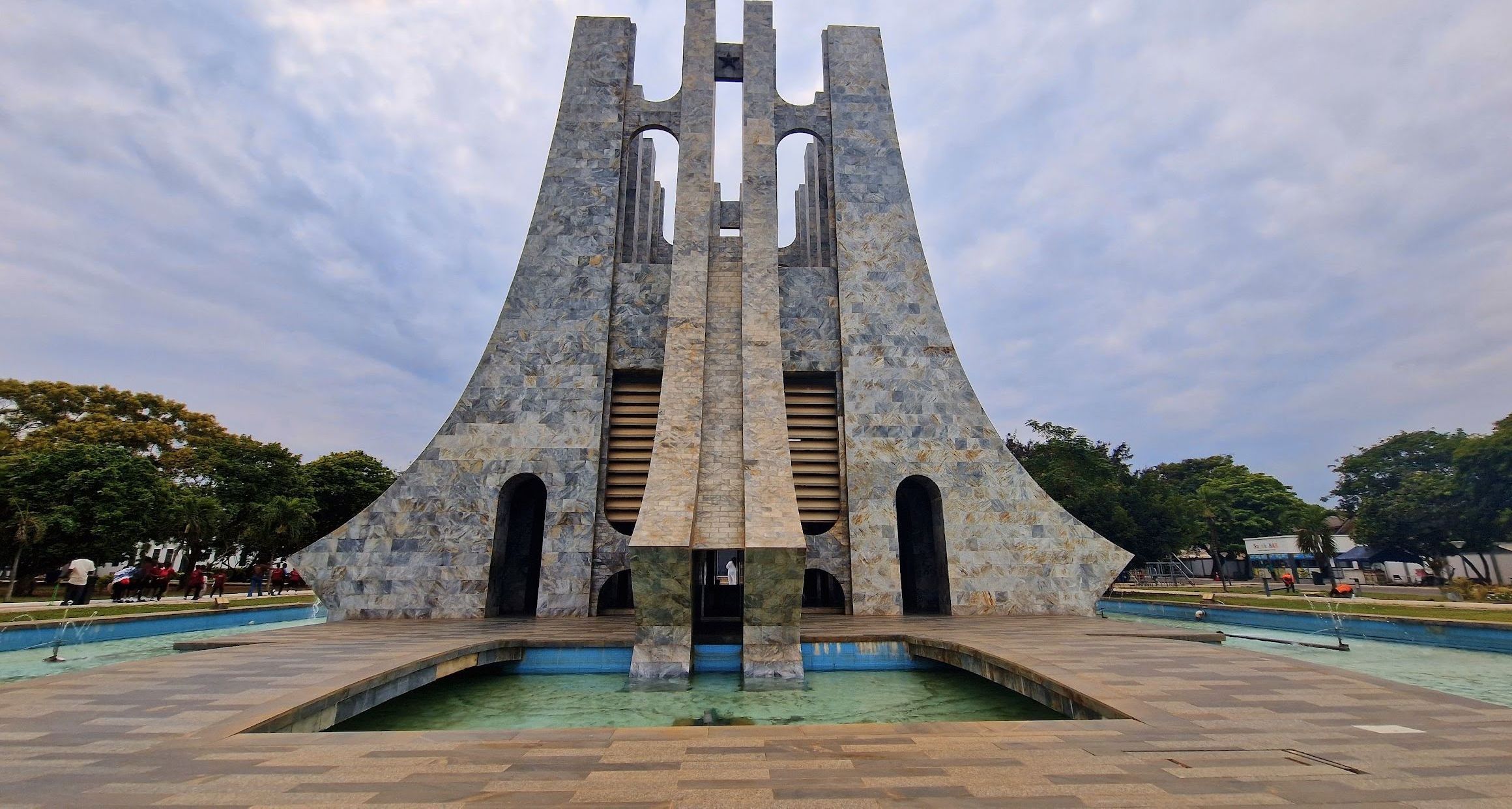
Accra: A City That Refuses to Be Ignored
Read the extended city story, including Makola Market, Ghana's museums, independence landmarks and our accommodation experience.
What Ghana taught us
Looking back, this trip was about more than the attractions we visited. The castles along the coast confronted us with the weight of history. The mountains and waterfalls of the Volta Region tested our legs, patience and planning. Accra reminded us that travel does not need to be comfortable to be worthwhile.
We made mistakes. We underestimated driving times. We treated the coast as a day trip when it deserved an overnight stay. We divided the Volta Region into separate excursions when one continuous route would have been more logical.
That did not diminish the journey. It made it honest.
This was our version of Ghana. Somewhere between the sweat, the noise, the history, the views and the quiet, you may find your own.